


DOPO - HQ, or 10-(2,5-Dihydroxyphenyl)-10H-9-oxa-10-phosphaphenanthrene-10-oxide, is a highly effective halogen - free flame retardant widely used in various industries, including electronics, plastics, and textiles. As a leading supplier of DOPO - HQ, we understand the importance of handling this chemical safely, especially when spills occur. In this blog post, we will discuss how to handle spills of DOPO - HQ in a scientific and responsible manner.
Understanding DOPO - HQ
Before delving into spill management, it's essential to understand the properties of DOPO - HQ. DOPO - HQ is a white to off - white powder with good thermal stability and chemical reactivity. It is synthesized from 9,10-Dihydro-9-oxo-10-phosphonophenanthrene-10-oxide and O-Phenylphenol. Its unique chemical structure endows it with excellent flame - retardant properties, making it a popular choice in the market.
Immediate Response to Spills
When a spill of DOPO - HQ occurs, the first step is to ensure the safety of all personnel in the area. Evacuate the immediate vicinity of the spill to prevent inhalation, skin contact, or eye contact. If possible, isolate the spill area to prevent the spread of the chemical.
- Personal Protective Equipment (PPE): All personnel involved in spill cleanup must wear appropriate PPE. This includes chemical - resistant gloves, safety goggles, and a lab coat or chemical - resistant suit. A respirator may also be necessary if there is a risk of inhalation of dust particles.
- Stop the Source: If the spill is from a container, try to stop the source of the leak. This may involve closing a valve, tightening a cap, or transferring the remaining chemical to a safe container.
Containment of the Spill
Once the area is safe and the source is stopped, the next step is to contain the spill to prevent it from spreading further.
- Use Absorbent Materials: For small spills, use absorbent materials such as vermiculite, sand, or commercial spill absorbents. Spread the absorbent material over the spill and allow it to soak up the DOPO - HQ. Carefully collect the contaminated absorbent material using a scoop or a brush and place it in a sealed, labeled container.
- Barriers: For larger spills, create barriers using sandbags or absorbent booms to prevent the chemical from flowing into drains, waterways, or other sensitive areas.
Cleanup Procedures
After containing the spill, it's time to clean up the area thoroughly.
- Dry Cleaning: If the spill is in a dry powder form, use a vacuum cleaner with a HEPA filter to collect the remaining DOPO - HQ. Make sure the vacuum cleaner is suitable for handling chemicals and that it is properly grounded to prevent static electricity.
- Wet Cleaning: For spills that have come into contact with surfaces, use a mild detergent and water solution to clean the area. Scrub the surface gently to remove any remaining residue. Rinse the area thoroughly with clean water and dry it completely.
Disposal of Contaminated Materials
Proper disposal of contaminated materials is crucial to prevent environmental pollution.
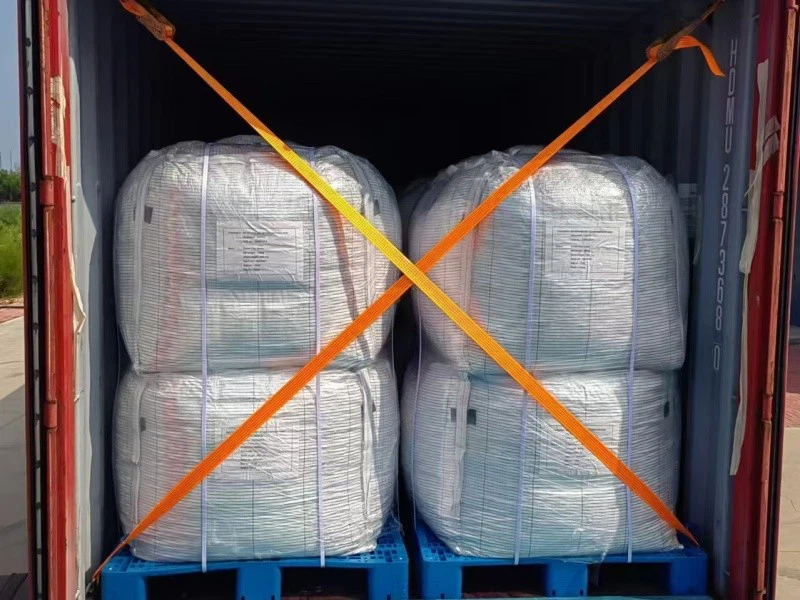

- Segregation: Separate the contaminated absorbent materials, cleaning rags, and other waste from other types of waste. Label the containers clearly with the name of the chemical, the date of the spill, and any other relevant information.
- Compliance with Regulations: Dispose of the waste in accordance with local, state, and federal regulations. Contact a licensed waste disposal company to handle the transportation and disposal of the contaminated materials.
Prevention of Future Spills
To minimize the risk of future spills, implement the following preventive measures:
- Proper Storage: Store DOPO - HQ in a cool, dry place away from incompatible substances. Use proper storage containers that are labeled correctly and in good condition.
- Training: Provide regular training to employees on the proper handling, storage, and use of DOPO - HQ. Ensure that they are aware of the potential hazards and the correct procedures for spill response.
- Inspection and Maintenance: Regularly inspect storage containers, piping systems, and other equipment for signs of damage or leakage. Conduct maintenance and repairs as needed to prevent spills.
Comparison with Other Flame Retardants
When considering flame retardants, it's important to compare DOPO - HQ with other options such as Ammonium Polyphosphate. While ammonium polyphosphate is also a popular halogen - free flame retardant, DOPO - HQ offers several advantages.
- Thermal Stability: DOPO - HQ has better thermal stability than ammonium polyphosphate, which means it can maintain its flame - retardant properties at higher temperatures.
- Compatibility: DOPO - HQ is more compatible with a wider range of polymers, making it a more versatile choice for different applications.
Conclusion
Handling spills of DOPO - HQ requires a combination of immediate response, proper containment, thorough cleanup, and responsible disposal. As a DOPO - HQ supplier, we are committed to providing our customers with not only high - quality products but also the knowledge and support to handle them safely.
If you are interested in purchasing DOPO - HQ or have any questions about its handling and application, please feel free to contact us for a detailed discussion. We look forward to working with you to meet your flame - retardant needs.
References
- Handbook of Flame Retardants, edited by G. Camino, G. Costa, and T. C. Wang.
- Safety Data Sheet for DOPO - HQ.


