


Ammonium Polyphosphate (APP) is a well - known chemical compound that has found extensive applications in various industries, especially in the field of flame retardancy. As a supplier of Ammonium Polyphosphate, I often receive inquiries about its potential use in different products, including ceramic products. In this blog, we will explore whether Ammonium Polyphosphate can be used in ceramic products, delving into its properties, the requirements of ceramic applications, and the possible benefits and challenges.
Properties of Ammonium Polyphosphate
Ammonium Polyphosphate is a white crystalline powder with the general formula (NH₄)ₙ₊₂PₙO₃ₙ₊₁. It exists in different forms, mainly short - chain (APP I) and long - chain (APP II). APP I is water - soluble and has a relatively lower degree of polymerization, while APP II is water - insoluble and has a higher degree of polymerization, which gives it better thermal stability and flame - retardant performance [1].

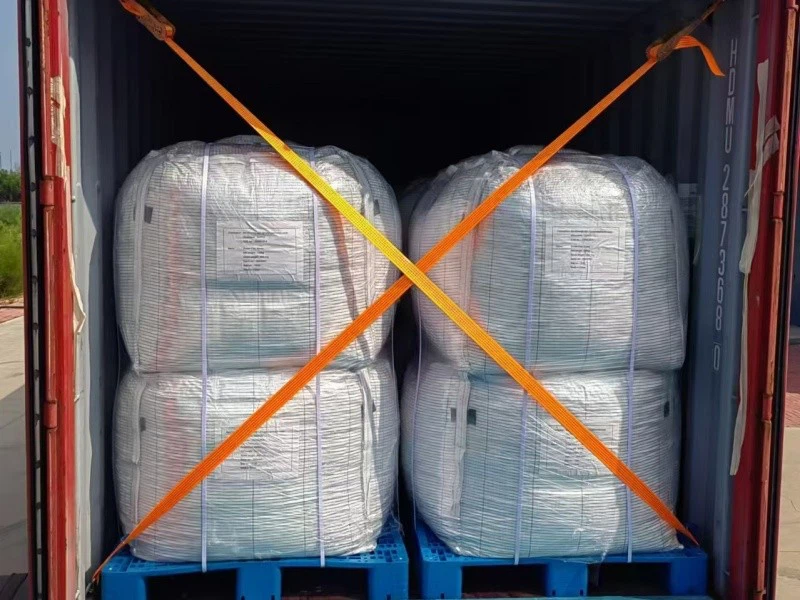
One of the key features of Ammonium Polyphosphate is its excellent flame - retardant property. When exposed to heat, APP decomposes endothermically, releasing ammonia gas and forming a phosphoric acid - rich layer on the surface of the material. This layer acts as a barrier, preventing oxygen from reaching the combustible material and reducing heat transfer, thus effectively suppressing combustion [2].
Requirements for Ceramic Products
Ceramics are inorganic, non - metallic materials that are typically made by shaping and firing raw materials at high temperatures. The properties of ceramic products depend on various factors, including the composition of the raw materials, the firing process, and any additives used.
In general, ceramic products require materials that can withstand high temperatures without significant decomposition or chemical change. They also need to have good mechanical properties, such as strength and hardness, and sometimes, specific electrical or thermal properties. Additionally, for some ceramic applications, especially those in building or consumer goods, flame retardancy may be a desirable property.
Potential Use of Ammonium Polyphosphate in Ceramic Products
Flame Retardancy
As mentioned earlier, one of the main advantages of using Ammonium Polyphosphate is its flame - retardant ability. In ceramic products, especially those used in areas where fire safety is a concern, such as building facades or electrical insulators, adding APP can enhance their fire - resistance. For example, in ceramic tiles used in public buildings, the presence of APP can reduce the spread of fire and limit the release of toxic gases in case of a fire incident.
Thermal Stability
Although ceramics are generally known for their high - temperature resistance, the addition of Ammonium Polyphosphate can further improve their thermal stability. APP decomposes endothermically, which can absorb some of the heat during the firing process or in high - temperature environments. This can help prevent thermal cracking and improve the overall durability of the ceramic products [3].
Binding and Sintering
Ammonium Polyphosphate may also play a role in the binding and sintering processes of ceramics. During the firing process, APP can react with some of the ceramic raw materials, forming a glassy phase that helps to bind the ceramic particles together. This can improve the mechanical strength and density of the ceramic products [4].
Challenges of Using Ammonium Polyphosphate in Ceramic Products
Compatibility
One of the main challenges of using Ammonium Polyphosphate in ceramic products is its compatibility with the ceramic raw materials. The chemical composition and physical properties of APP may interact with the ceramic matrix in unexpected ways. For example, the decomposition products of APP may react with some of the metal oxides in the ceramic, changing the color or other properties of the final product.
Processing Conditions
The addition of Ammonium Polyphosphate may also affect the processing conditions of ceramics. For instance, the decomposition temperature of APP needs to be carefully considered during the firing process. If the firing temperature is too high, APP may decompose prematurely, leading to the formation of pores or other defects in the ceramic products. On the other hand, if the temperature is too low, APP may not decompose completely, and its flame - retardant effect may be compromised [5].
Case Studies and Research Findings
There have been several studies on the use of Ammonium Polyphosphate in ceramic products. For example, a research team investigated the effect of adding APP to alumina - based ceramics. They found that a small amount of APP (up to 5 wt%) could significantly improve the flame - retardancy of the ceramics without sacrificing their mechanical properties [6]. Another study focused on the use of APP in ceramic composites for electrical applications. The results showed that APP could enhance the electrical insulation and thermal stability of the ceramic composites [7].
Other Related Flame - Retardant Additives
In addition to Ammonium Polyphosphate, there are other flame - retardant additives that can be used in ceramic products. For example, O - Phenylphenol is a halogen - free flame retardant that has been used in some polymer - based materials. It can also be considered for use in ceramic products, especially in combination with APP, to achieve better flame - retardant performance. Another option is 9,10 - Dihydro - 9 - oxo - 10 - phosphonophenanthrene - 10 - oxide, which has excellent thermal stability and flame - retardant properties.
Conclusion
In conclusion, Ammonium Polyphosphate has the potential to be used in ceramic products, mainly for its flame - retardant and thermal - stability properties. However, there are also some challenges, such as compatibility and processing issues, that need to be addressed. With proper research and development, the use of APP in ceramic products can be optimized to achieve the desired properties.
If you are interested in exploring the use of Ammonium Polyphosphate in your ceramic products or have any other questions related to flame - retardant additives, please feel free to contact us for further discussion and procurement negotiation. We are committed to providing high - quality Ammonium Polyphosphate products and technical support to meet your specific needs.
References
[1] Le Bras, M., & Camino, G. (2008). Flame retardancy of polymers: The use of mineral fillers. Polymer Degradation and Stability, 93(4), 621 - 632.
[2] Horrocks, A. R. (2001). An introduction to the principles of flame retardancy of polymeric materials. Polymer International, 50(8), 873 - 887.
[3] Wang, X., & Zhang, Y. (2015). Thermal stability and flame retardancy of polymer composites filled with ammonium polyphosphate. Journal of Thermal Analysis and Calorimetry, 120(2), 817 - 824.
[4] Zhang, L., & Li, H. (2018). Influence of ammonium polyphosphate on the sintering and properties of alumina ceramics. Ceramics International, 44(15), 18710 - 18715.
[5] Chen, S., & Yang, J. (2019). Challenges and solutions in the application of flame retardants in high - temperature materials. Journal of Materials Science, 54(12), 4567 - 4580.
[6] Liu, Y., & Wang, Z. (2020). Flame - retardant alumina - based ceramics with ammonium polyphosphate addition. Journal of the European Ceramic Society, 40(13), 4473 - 4480.
[7] Wu, X., & Zhou, H. (2021). Flame - retardant and electrical properties of ceramic composites with ammonium polyphosphate. Composites Part A: Applied Science and Manufacturing, 143, 106393.


