



As a supplier of O-Phenylphenol, ensuring its safe transportation is of utmost importance. O-Phenylphenol, with its unique chemical properties and wide range of applications, requires careful handling and transportation procedures to prevent any potential hazards. In this blog, I will delve into the various aspects of safely transporting O-Phenylphenol, sharing insights based on my experience in the industry.
Understanding O-Phenylphenol
Before discussing its transportation, it's essential to understand what O-Phenylphenol is. O-Phenylphenol, also known as 2 - Hydroxybiphenyl, is a white to light - yellow flaky solid with a melting point of around 56 - 57°C and a boiling point of 283 - 286°C. It has a variety of applications, including as a fungicide, a preservative, and an intermediate in the production of dyes and plastics. You can find more information about O - Phenylphenol on our website O - Phenylphenol.
Regulatory Compliance
One of the first steps in safely transporting O - Phenylphenol is to ensure full compliance with all relevant regulations. Different countries and regions have their own sets of rules regarding the transportation of hazardous chemicals. For example, in the United States, the Department of Transportation (DOT) has strict regulations on the packaging, labeling, and documentation of hazardous materials. The International Maritime Dangerous Goods (IMDG) Code governs the transportation of dangerous goods by sea, while the International Air Transport Association (IATA) Dangerous Goods Regulations apply to air transportation.
As a supplier, we are responsible for providing accurate and up - to - date safety data sheets (SDS) for O - Phenylphenol. The SDS contains detailed information about the chemical's properties, hazards, handling procedures, and emergency response measures. This document is crucial for all parties involved in the transportation process, from the carrier to the end - user.
Packaging
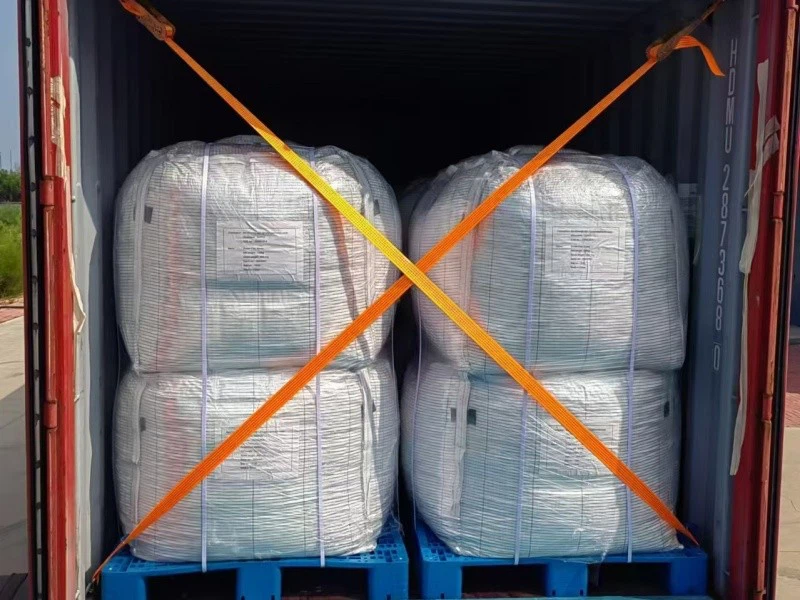
Proper packaging is a cornerstone of safe transportation. O - Phenylphenol should be packaged in containers that are resistant to corrosion, leakage, and physical damage. Commonly used packaging materials include high - density polyethylene (HDPE) drums, stainless - steel containers, and fiberboard boxes with appropriate inner liners.
The packaging must be designed to withstand the rigors of transportation, including vibration, shock, and temperature changes. For example, during long - distance sea transportation, the containers may be exposed to rough seas and large temperature variations. Therefore, the packaging should be able to prevent any leakage or spillage under these conditions.
In addition to the physical integrity of the packaging, it must also be properly labeled. Labels should clearly indicate the name of the chemical, its hazards (such as toxicity, flammability), and handling instructions. This helps ensure that everyone involved in the transportation process is aware of the potential risks and how to handle the product safely.
Storage During Transportation
During transportation, proper storage conditions must be maintained. O - Phenylphenol should be stored in a cool, dry, and well - ventilated area. High temperatures can increase the risk of chemical reactions and degradation, while moisture can cause corrosion of the packaging and potentially lead to leakage.
When transporting O - Phenylphenol by truck, the vehicle should be equipped with proper ventilation systems to prevent the accumulation of vapors. In the case of sea transportation, the containers should be stowed in a location that is protected from direct sunlight and extreme weather conditions.
Handling Procedures
The handling of O - Phenylphenol during loading and unloading is another critical aspect of safe transportation. Workers involved in these operations should be properly trained on how to handle hazardous chemicals. They should wear appropriate personal protective equipment (PPE), such as gloves, goggles, and respirators, to protect themselves from exposure.
Loading and unloading should be carried out in a controlled environment. For example, when transferring O - Phenylphenol from a storage tank to a transportation container, the process should be monitored to prevent spills. Any spills that do occur should be cleaned up immediately using appropriate absorbent materials, and the area should be thoroughly washed to remove any traces of the chemical.
Emergency Response Planning
Despite all the precautions, emergencies can still occur during transportation. Therefore, it is essential to have a comprehensive emergency response plan in place. This plan should include procedures for dealing with spills, fires, and other accidents.
In the event of a spill, the first step is to isolate the area to prevent further spread of the chemical. Trained personnel should then use appropriate equipment to contain and clean up the spill. If a fire breaks out, the type of fire - fighting agent used should be appropriate for the chemical properties of O - Phenylphenol. For example, water may not be suitable in all cases, and dry chemical extinguishers or foam may be more effective.
All parties involved in the transportation, including the supplier, carrier, and end - user, should be aware of the emergency response plan and their roles in implementing it. Regular training and drills should be conducted to ensure that everyone is prepared to respond effectively in case of an emergency.
Compatibility with Other Substances
When transporting O - Phenylphenol, it is important to consider its compatibility with other substances. O - Phenylphenol may react with certain chemicals, such as strong oxidizing agents, acids, and bases. Therefore, it should not be transported in the same container or vehicle as incompatible substances.
For example, if O - Phenylphenol comes into contact with a strong oxidizing agent, it could lead to a violent chemical reaction, potentially causing an explosion or fire. To avoid such situations, proper segregation and separation procedures should be followed during transportation.
Monitoring and Tracking
In modern transportation, monitoring and tracking technologies play an important role in ensuring the safety of O - Phenylphenol. GPS tracking systems can be used to monitor the location of the transportation vehicle in real - time. This allows for better coordination and response in case of any unexpected events, such as traffic accidents or delays.
In addition, sensors can be installed in the transportation containers to monitor parameters such as temperature, pressure, and humidity. If any of these parameters exceed the safe range, an alarm can be triggered, allowing for timely intervention to prevent potential hazards.
Conclusion
Safely transporting O - Phenylphenol requires a comprehensive approach that encompasses regulatory compliance, proper packaging, storage, handling, emergency response planning, and monitoring. As a supplier, we are committed to ensuring that every step of the transportation process is carried out with the highest level of safety and quality.
If you are interested in purchasing O - Phenylphenol or other related products such as Ammonium Polyphosphate and 9,10 - Dihydro - 9 - oxo - 10 - phosphonophenanthrene - 10 - oxide, please feel free to contact us for more information and to start a procurement negotiation. We look forward to working with you to meet your chemical needs while ensuring the highest standards of safety.

References
- Department of Transportation (DOT), United States. Various regulations on hazardous materials transportation.
- International Maritime Dangerous Goods (IMDG) Code.
- International Air Transport Association (IATA) Dangerous Goods Regulations.
- Safety Data Sheets (SDS) for O - Phenylphenol.


