


Hydrobromic acid, a strong and highly corrosive acid, is a crucial chemical compound with a wide range of applications in various industries. As a leading supplier of Hydrobromic Acid, I often receive inquiries about its properties, including its pH value. In this blog post, I will delve into the concept of pH, explain how it relates to hydrobromic acid, and discuss the factors that can influence the pH of hydrobromic acid solutions.
Understanding pH
The pH scale is a measure of the acidity or alkalinity of a solution. It ranges from 0 to 14, with 7 being neutral. A pH value below 7 indicates an acidic solution, while a pH value above 7 indicates a basic or alkaline solution. The lower the pH value, the more acidic the solution, and the higher the concentration of hydrogen ions (H⁺) it contains. Conversely, the higher the pH value, the more basic the solution, and the lower the concentration of hydrogen ions.
The pH of a solution is calculated using the formula:
pH = -log[H⁺]
where [H⁺] represents the molar concentration of hydrogen ions in the solution. For example, if the concentration of hydrogen ions in a solution is 0.1 moles per liter (M), the pH of the solution can be calculated as follows:
pH = -log(0.1) = 1
The pH of Hydrobromic Acid
Hydrobromic acid (HBr) is a strong acid that dissociates completely in water to form hydrogen ions (H⁺) and bromide ions (Br⁻). The chemical equation for the dissociation of hydrobromic acid in water is:
HBr(aq) → H⁺(aq) + Br⁻(aq)
Since hydrobromic acid is a strong acid, it dissociates completely in water, which means that the concentration of hydrogen ions in a hydrobromic acid solution is equal to the initial concentration of the acid. For example, if you have a 0.1 M solution of hydrobromic acid, the concentration of hydrogen ions in the solution will also be 0.1 M. Using the pH formula, we can calculate the pH of this solution as follows:
pH = -log(0.1) = 1
In general, the pH of a hydrobromic acid solution depends on its concentration. The higher the concentration of hydrobromic acid, the lower the pH of the solution. For example, a 1 M solution of hydrobromic acid will have a pH of 0, while a 0.01 M solution of hydrobromic acid will have a pH of 2.
Factors Affecting the pH of Hydrobromic Acid Solutions
While the concentration of hydrobromic acid is the primary factor that determines the pH of a solution, there are other factors that can also influence the pH. These factors include:
Temperature
The dissociation of hydrobromic acid in water is an exothermic process, which means that it releases heat. According to Le Chatelier's principle, increasing the temperature of a solution will shift the equilibrium of the dissociation reaction to the left, reducing the concentration of hydrogen ions and increasing the pH of the solution. Conversely, decreasing the temperature will shift the equilibrium to the right, increasing the concentration of hydrogen ions and decreasing the pH of the solution.
Presence of Other Substances
The presence of other substances in a hydrobromic acid solution can also affect its pH. For example, if a solution contains a base, such as sodium hydroxide (NaOH), the base will react with the hydrogen ions in the hydrobromic acid solution to form water and a salt. This reaction will reduce the concentration of hydrogen ions in the solution, increasing the pH. On the other hand, if a solution contains a weak acid or a buffer, it can resist changes in pH by reacting with the hydrogen ions or hydroxide ions in the solution.
Applications of Hydrobromic Acid
Hydrobromic acid has a wide range of applications in various industries, including:
Chemical Synthesis
Hydrobromic acid is used as a reagent in organic synthesis to introduce bromine atoms into organic molecules. It is commonly used in the production of Bromoethane, which is an important intermediate in the synthesis of pharmaceuticals, pesticides, and other organic compounds.
Petrochemical Industry
In the petrochemical industry, hydrobromic acid is used as a catalyst in the alkylation process, which is used to produce high-octane gasoline. It is also used in the refining of crude oil to remove sulfur and other impurities.
Pharmaceutical Industry
Hydrobromic acid is used in the pharmaceutical industry to produce various drugs, including sedatives, analgesics, and antihistamines. It is also used as a pH adjuster in the formulation of pharmaceutical products.
Conclusion
In conclusion, the pH of hydrobromic acid depends on its concentration, with higher concentrations resulting in lower pH values. The dissociation of hydrobromic acid in water is an exothermic process, and the pH of a solution can be affected by temperature and the presence of other substances. Hydrobromic acid is a versatile chemical compound with a wide range of applications in various industries.

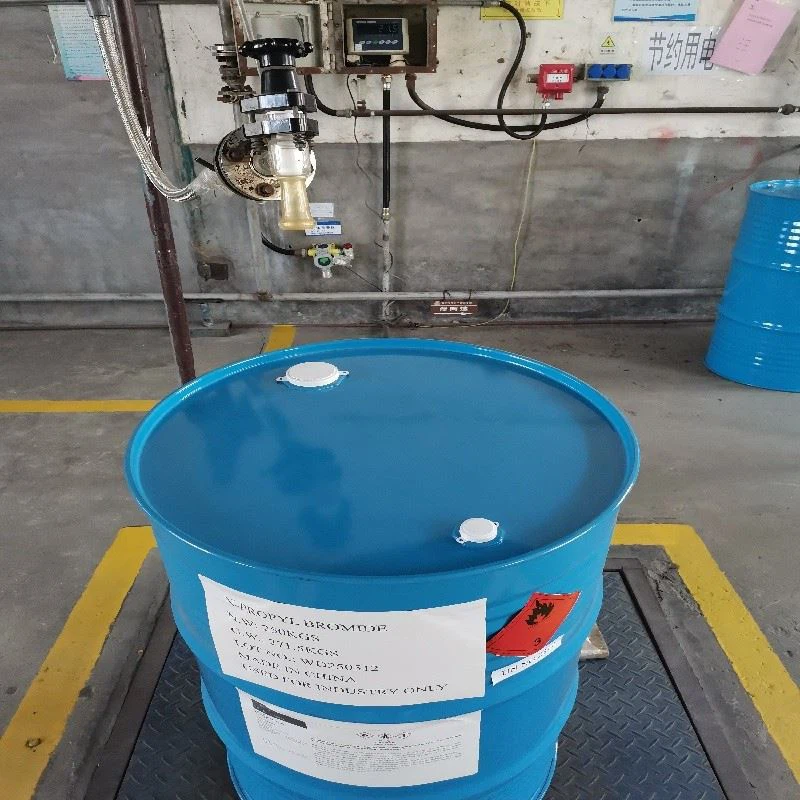
As a leading supplier of Hydrobromic Acid, we are committed to providing high-quality products and excellent customer service. If you are interested in purchasing hydrobromic acid or have any questions about its properties or applications, please do not hesitate to contact us. We look forward to discussing your requirements and helping you find the right solution for your needs.
References
- Atkins, P., & de Paula, J. (2014). Physical Chemistry for the Life Sciences. Oxford University Press.
- Brown, T. L., LeMay, H. E., Bursten, B. E., Murphy, C. J., Woodward, P. M., & Stoltzfus, M. W. (2017). Chemistry: The Central Science. Pearson.
- Housecroft, C. E., & Sharpe, A. G. (2012). Inorganic Chemistry. Pearson.


